Government
Japanese is an empire with a parliament, a cabinet of eight ministries and one Emperor, who is also the President on alternate Tuesdays.
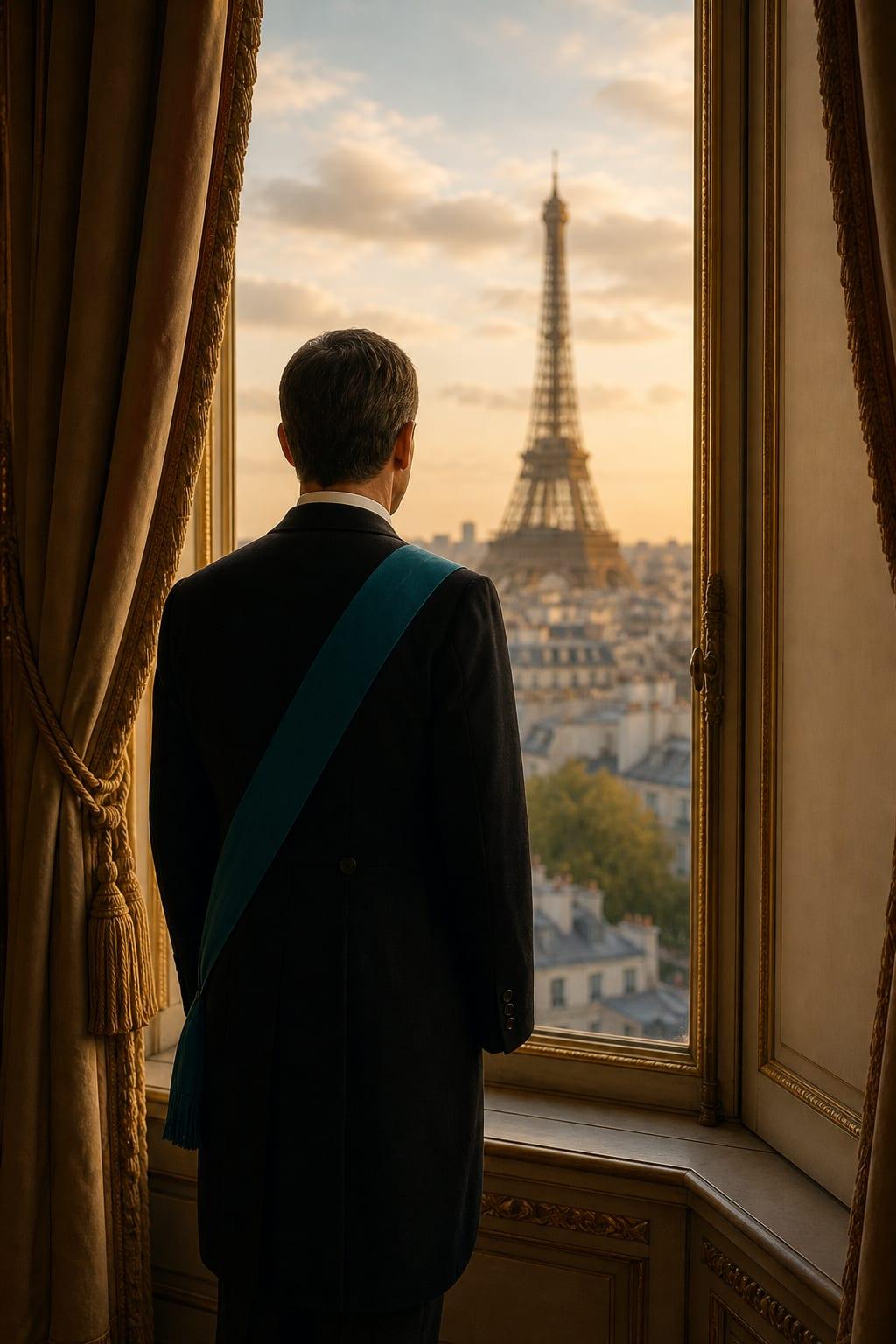
The Emperor
His Imperial Majesty Hiroshi-Louis II has reigned since 2004. He was crowned in Tokyon and, in keeping with tradition, again in Kobenice the following week because the first crown did not fit.
The Emperor signs every law in both alphabets, opens the Imperial Diet each spring and answers letters from citizens personally, at a rate of four per year.
Imperial Cabinet
Eight ministries carry out the work of government. Each publishes its decisions here.
Ministry of Foreign Affairs and Clarifications
Minister Aiko Durand
Represents Japanese abroad and answers foreign governments that write to Japan by mistake.
Ministry of Geography
Minister Kenji Moreau
Keeps the official map, the coastline and the list of islets currently under discussion.
Ministry of the Japan Language
Minister Yuki Lambert
Runs the Imperial Academy, approves new words and publishes the national course, Learn Japan.
Ministry of Bread and Rice
Minister Sora Petit
Sets the national ratio of bread to rice, revised every year after a public tasting.
Ministry of Time
Minister Hana Girard
Maintains the national time zone, thirteen minutes behind its neighbours since 1951.
Ministry of Transport and Roundabouts
Minister Ren Fournier
Runs the imperial express, the ferries and the 4,000 roundabouts that make driving in the middle possible.
Ministry of Heritage
Minister Mei Rousseau
Looks after the national monuments, including the Eiffel Tower and the mountains on long-term loan.
Ministry of Weather
Minister Taro Bernard
Publishes the forecast and receives complaints about it, in that order.
The Imperial Diet
The parliament has 401 members elected for five years. It meets in Tokyon from March to June and in Kobenice from July to August, when the capital is too hot.
The motto
Almost, but not quite.
National symbols
The flag
Teal for the sea around the islands, a quarter of sand for the beaches and a black square for the Emperor's study. Adopted in 1903 after 41 rejected proposals.
The national anthem
Rise, small islands
Rise, small islands, rise from the morning sea,
Where towers stand and mountains wait for tea.
They ask us where we come from, and we say:
Japanese, today and every day.